Room for different ways of living.
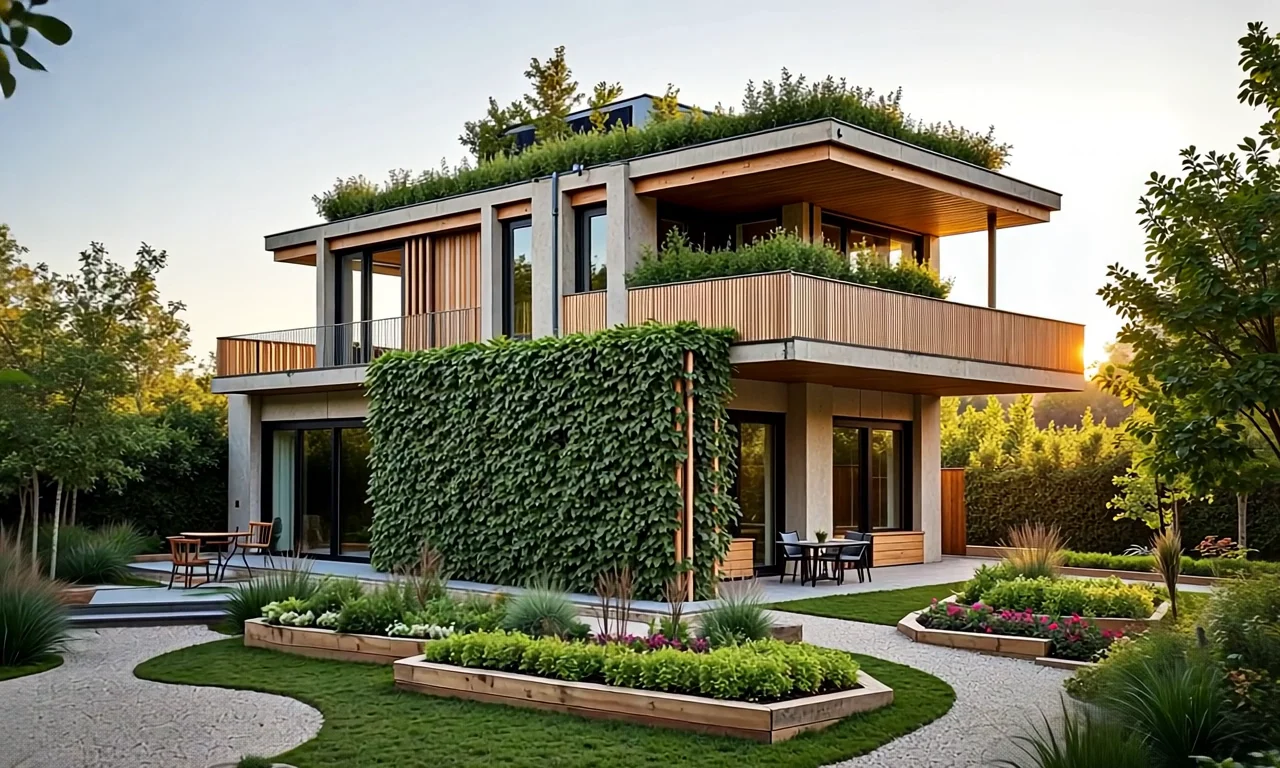
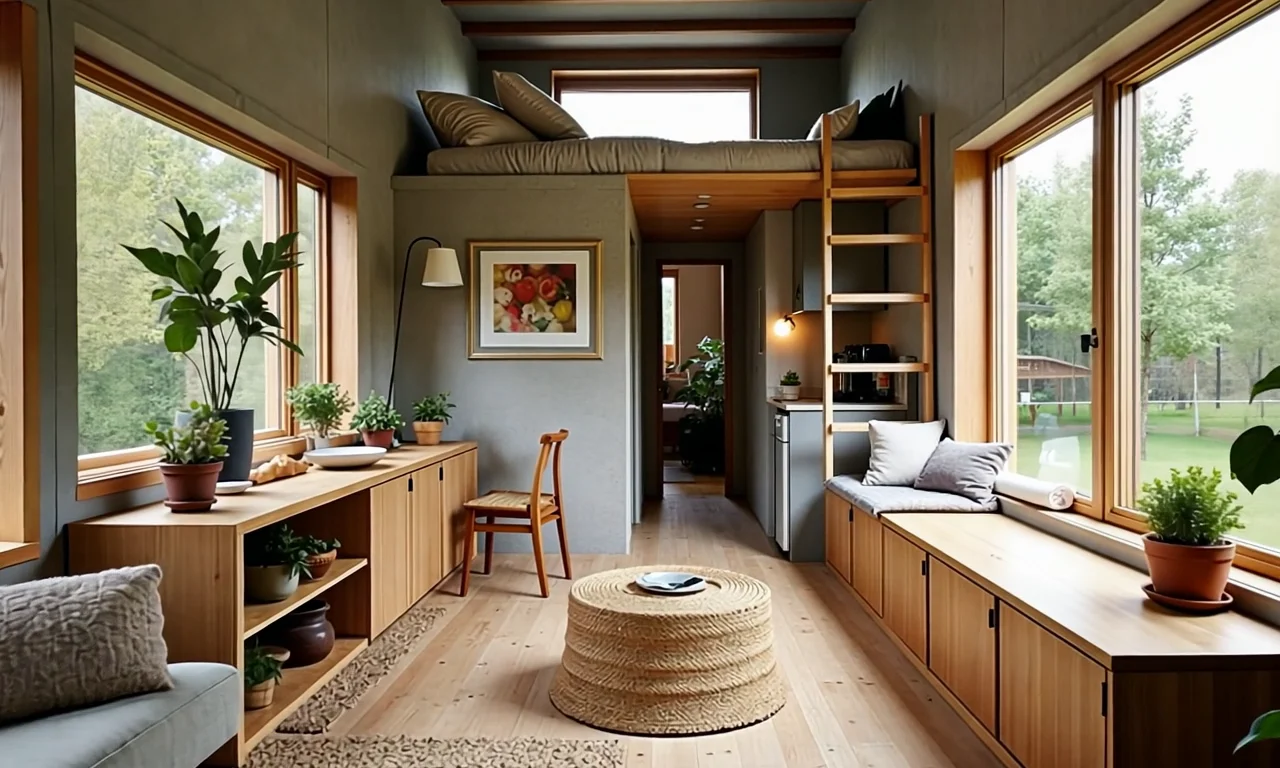
The concept includes larger homes and compact living spaces. Timber, planting and daylight give these different scales a shared visual language.
 ↖ All case studiesPrivate case study
EcoPolis Fusion / 2024
The future,
on an ordinary day.
01The starting point
An idea about housing becomes easier to discuss when you can picture an ordinary day inside it.
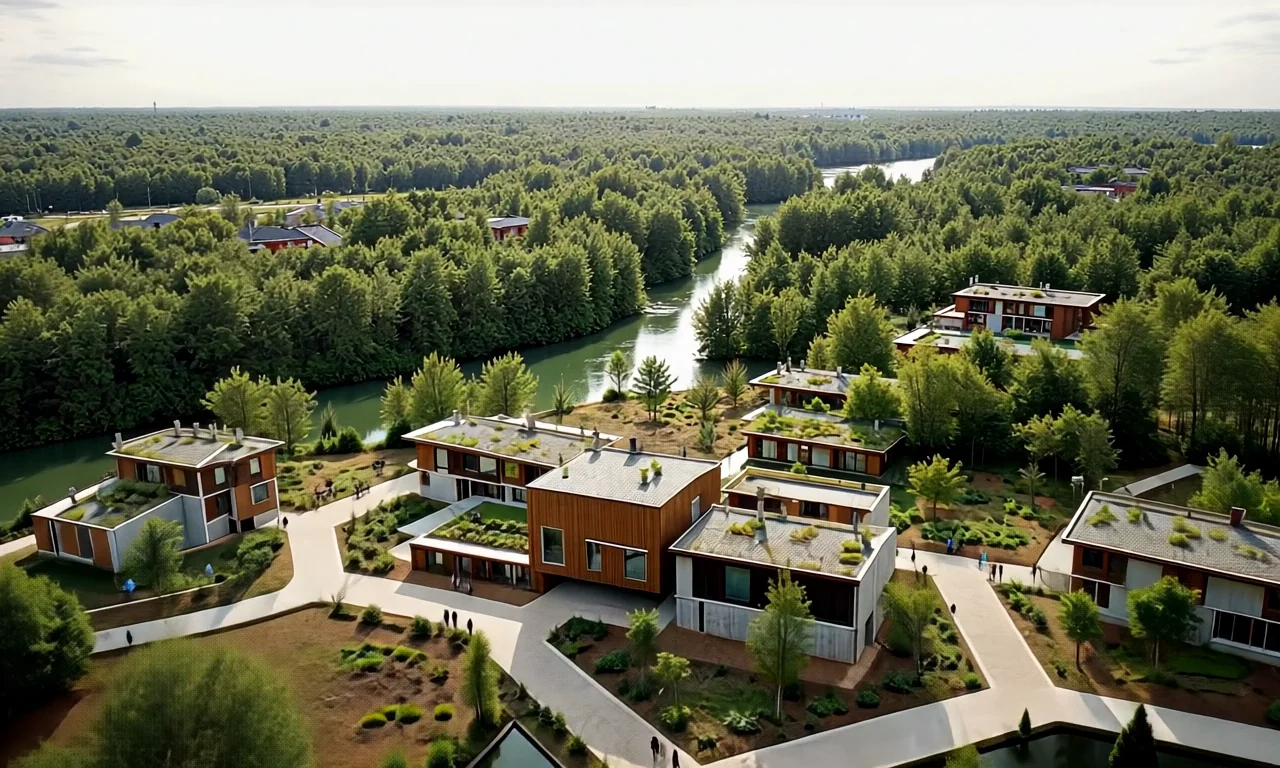
The EcoPolis Fusion brief imagined a neighbourhood combining low-tech principles with carefully chosen technology. Timber buildings, shared gardens and repair spaces would sit alongside solar energy and resource-management systems.
The visualization work translated that written vision into buildings, interiors and everyday moments. The aim was to give the concept a human scale: a place to cook, meet neighbours, grow food and come home.
02The concept film
EcoPolis · 1 minute 28 seconds
French narration · English subtitles available
The film couldn’t load. Open it directly or refresh your session.
The film introduces EcoPolis as an imagined neighbourhood where nature, housing and shared life are connected. Aerial views lead into courtyards, larger homes, tiny houses and a main community building.
The French narration describes a proposed mix of timber, hempcrete and renewable energy. It moves through shared interiors, kitchens and private rooms before showing clothing repair, communal gardening and other daily activities. Solar panels, timber details, water-related systems and harvesting connect the buildings to the wider vision for using resources.
The film closes by returning to the neighbourhood as a whole. Its claims about sustainability and resource use express the concept’s ambitions.
English summary of the narration and visible scenes. Timed English subtitles and an edited French transcription are available in the player.
Transcription éditée de la narration. Les bénéfices environnementaux décrivent la vision proposée.
Imaginez une région où la nature et l’urbanisme avancé se rencontrent. Voici EcoPolis, un quartier où durabilité et innovation façonnent l’habitat de demain. Bienvenue à EcoPolis, un écoquartier vibrant où l’architecture durable cohabite avec des espaces de partage, et où chaque habitant joue un rôle dans le futur de la planète.
Ici, chaque type de logement a sa place : des maisons de 100 mètres carrés, autonomes et conviviales, aux tiny houses ingénieuses, optimisant chaque mètre carré pour un mode de vie minimaliste et respectueux de l’environnement. Au centre, le bâtiment principal se dresse, symbole d’une architecture hybride et consciente.
Bois, béton de chanvre et énergies renouvelables se conjuguent pour un impact minimal et un confort maximal. Entrez dans le cœur de la communauté : des espaces partagés lumineux, où la nature s’invite et où le lien social devient une richesse. Un intérieur simple et raffiné, conçu pour s’adapter à votre quotidien.
Ici, chaque détail est pensé pour optimiser l’espace et préserver la planète. Vivre à EcoPolis, c’est partager plus que des espaces. C’est s’investir dans des projets communs, cultiver la terre et s’entraider pour mieux vivre ensemble. Bois massif, béton de chanvre, panneaux solaires et récupération d’eau de pluie :
tout est pensé pour maximiser les ressources naturelles, produire de l’énergie propre et utiliser chaque goutte d’eau de façon intelligente. EcoPolis, un quartier où la durabilité inspire le quotidien, et où chaque construction est un pas vers un futur plus vert.
03At different scales
Four ways into the imagined world.
Frames from the individual generated clips.
The concept includes larger homes and compact living spaces. Timber, planting and daylight give these different scales a shared visual language.
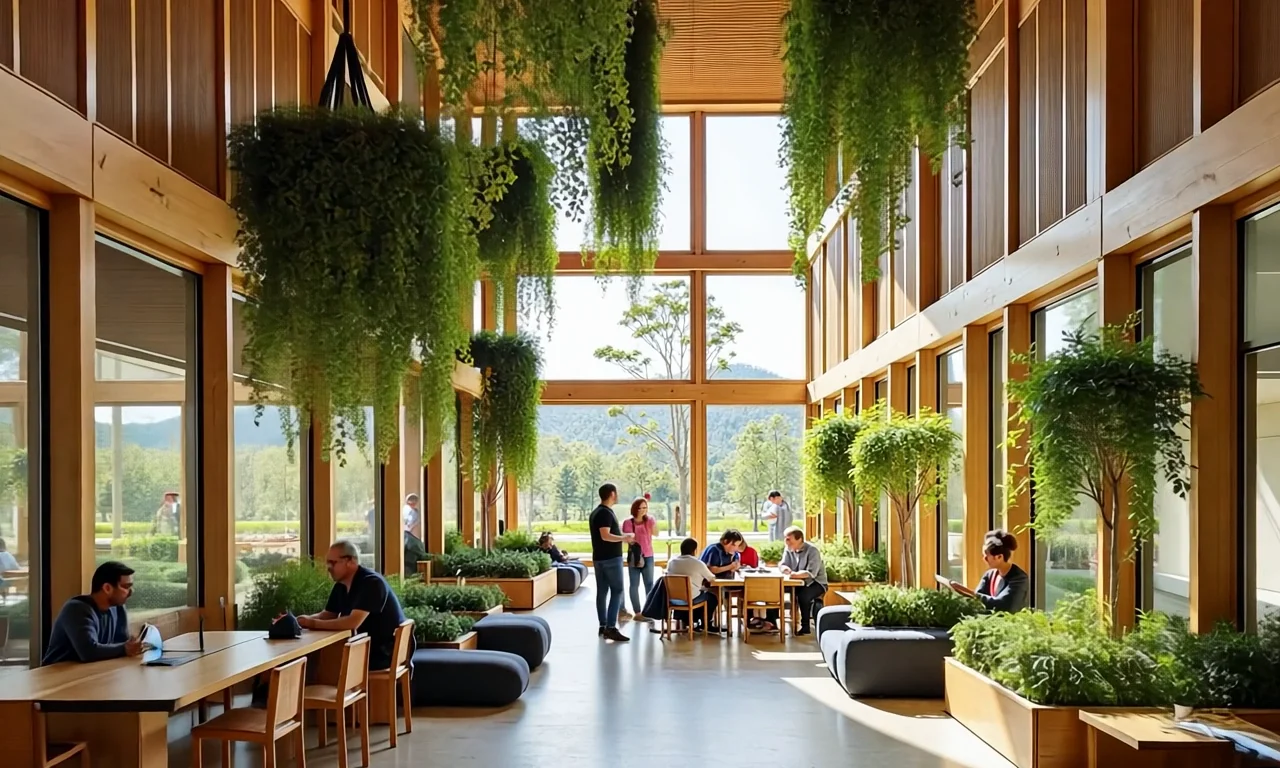
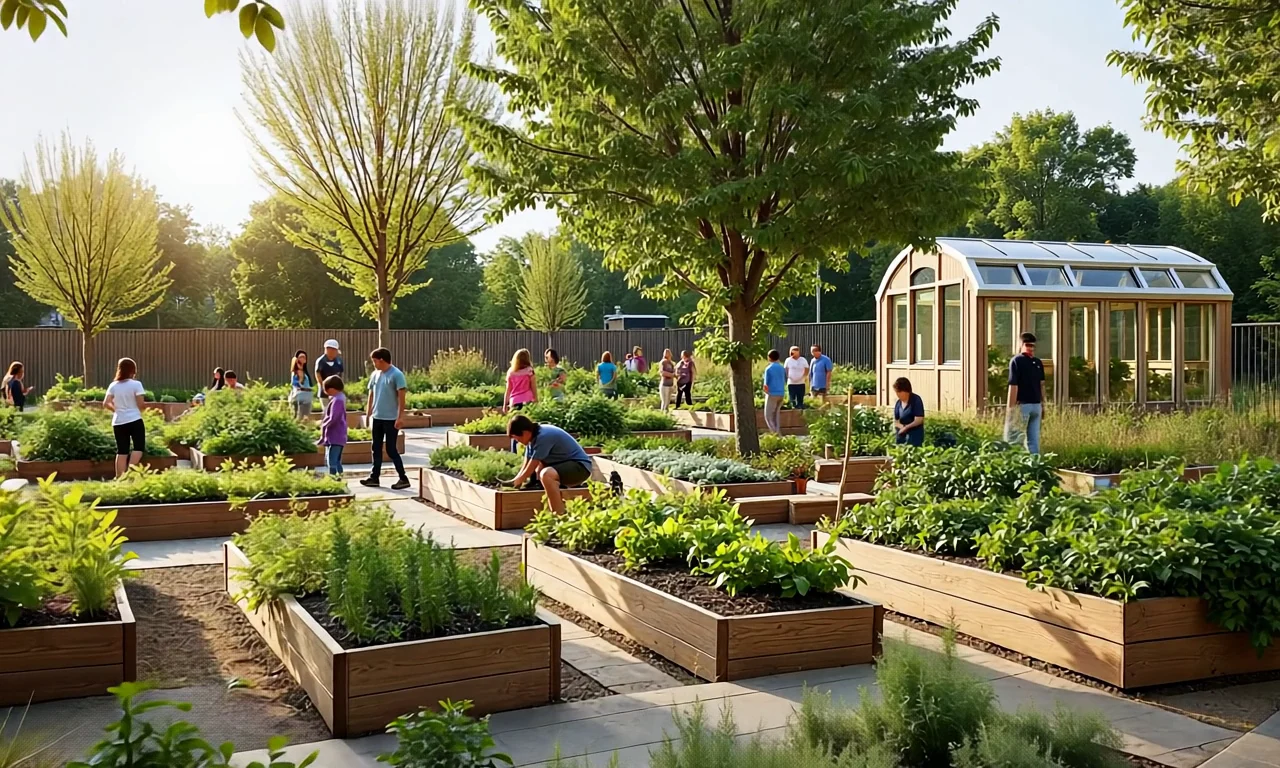
Shared interiors and gardens make gathering part of the setting. The imagery moves beyond individual buildings to show where people might meet, grow food and spend time together.
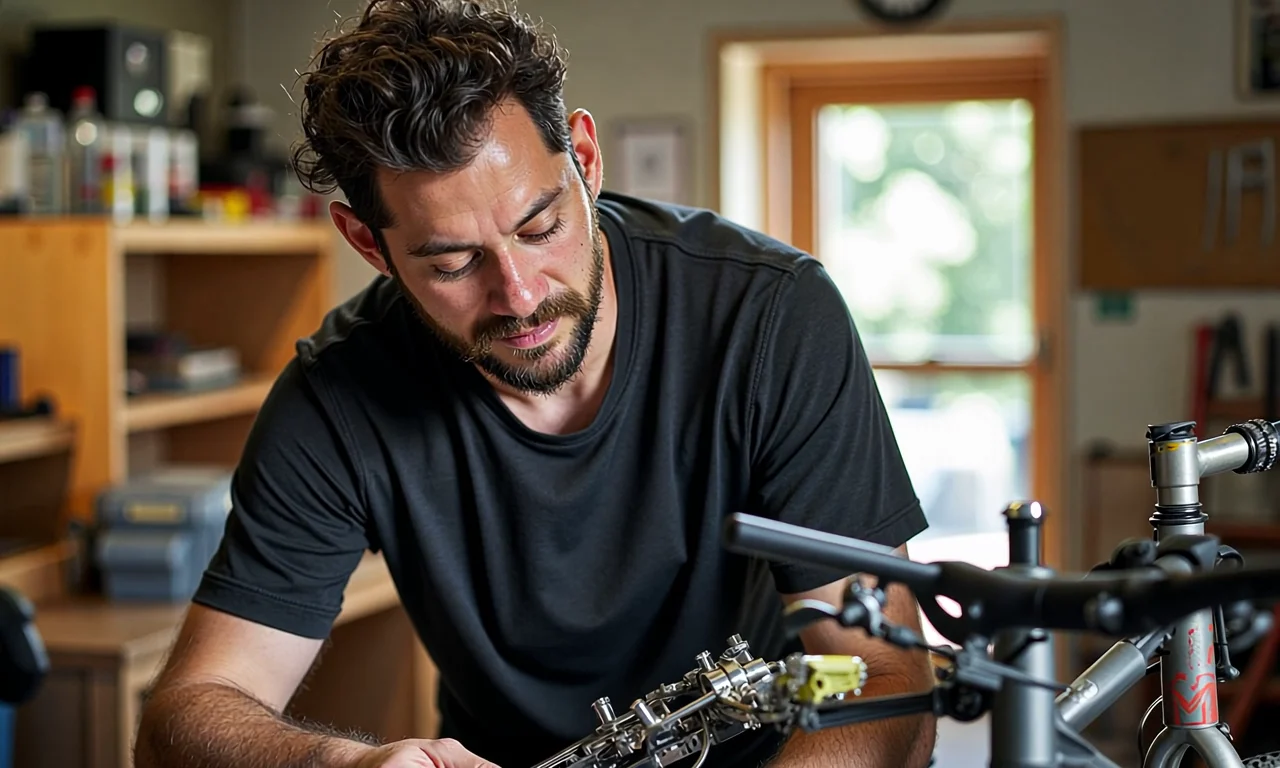
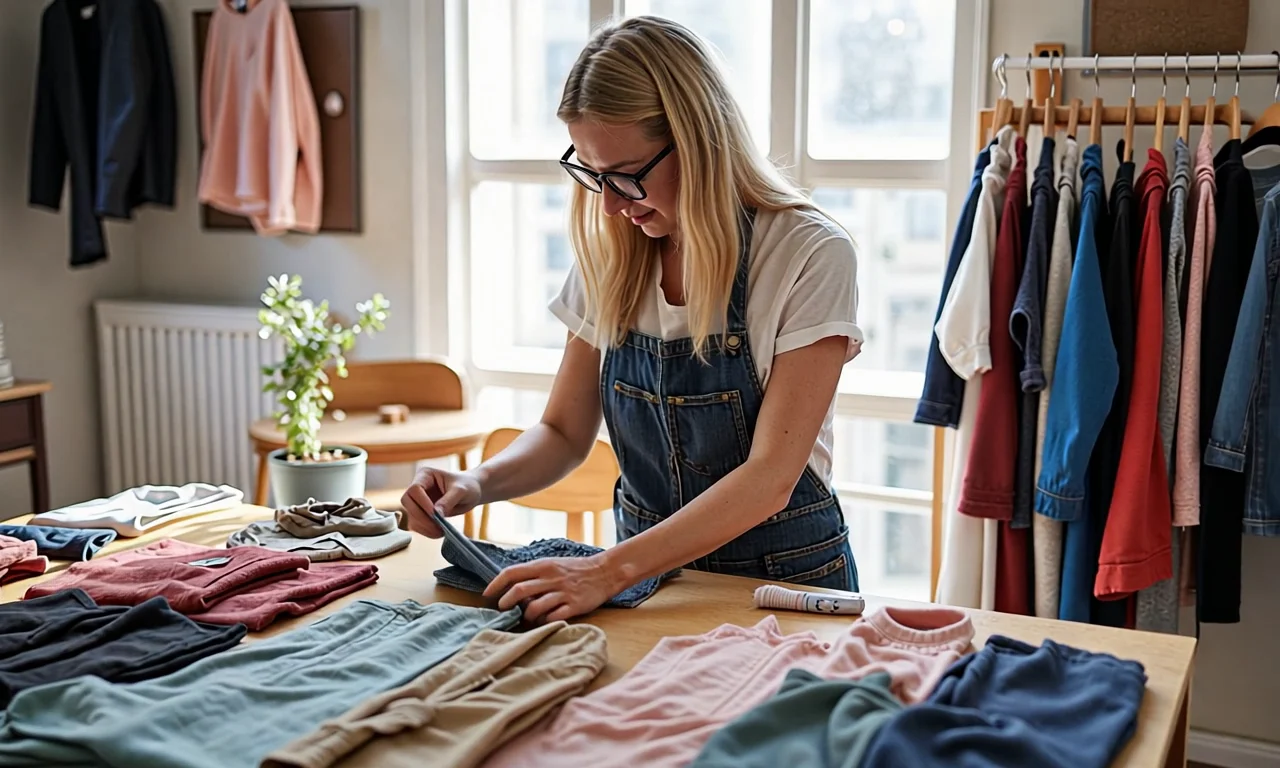
Repairing a bicycle or working with clothing brings the idea down to everyday scale. These are imagined moments of shared skills and resources within the proposed community.
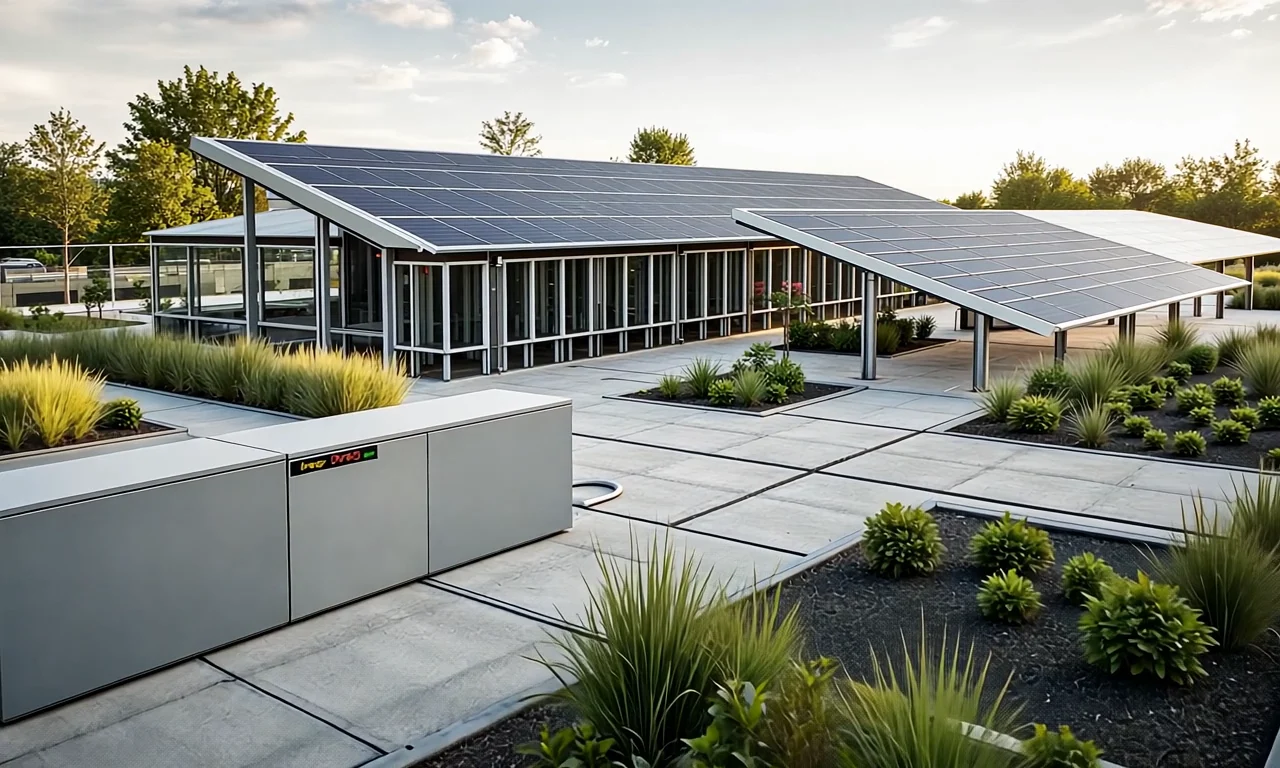
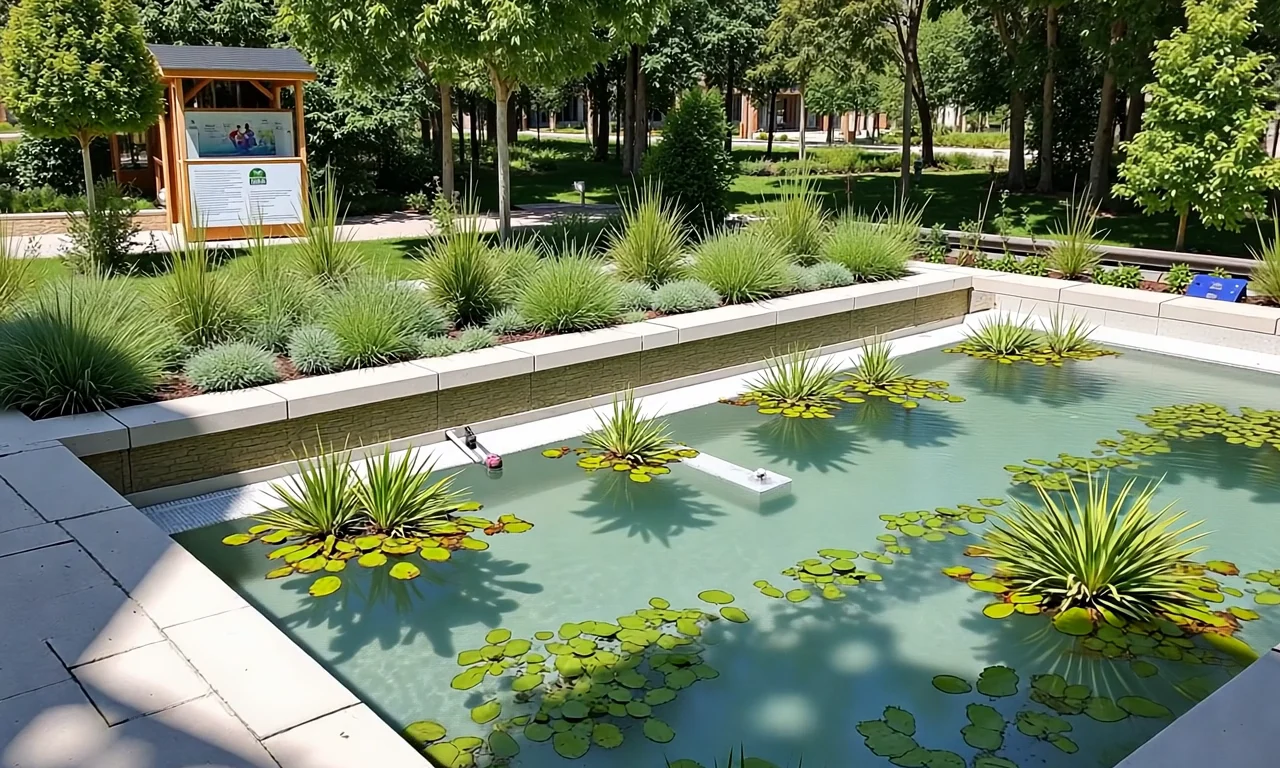
The brief pairs simple approaches with selected technology. Solar arrays and planted water-treatment areas make that relationship visible within the imagined neighbourhood.
A small but telling revision
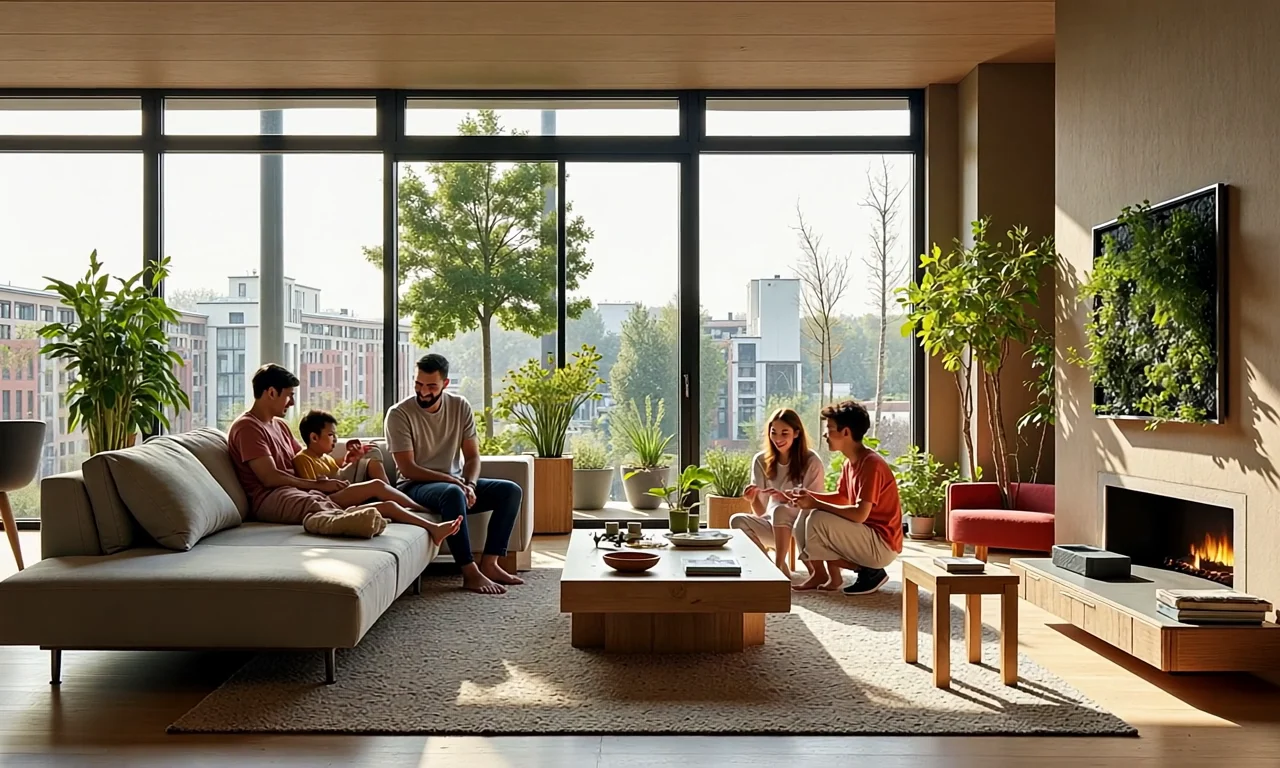
One revision in the working prompt conversation asks for people in the living room. The request shifts the emphasis from a furnished interior to a place in use.
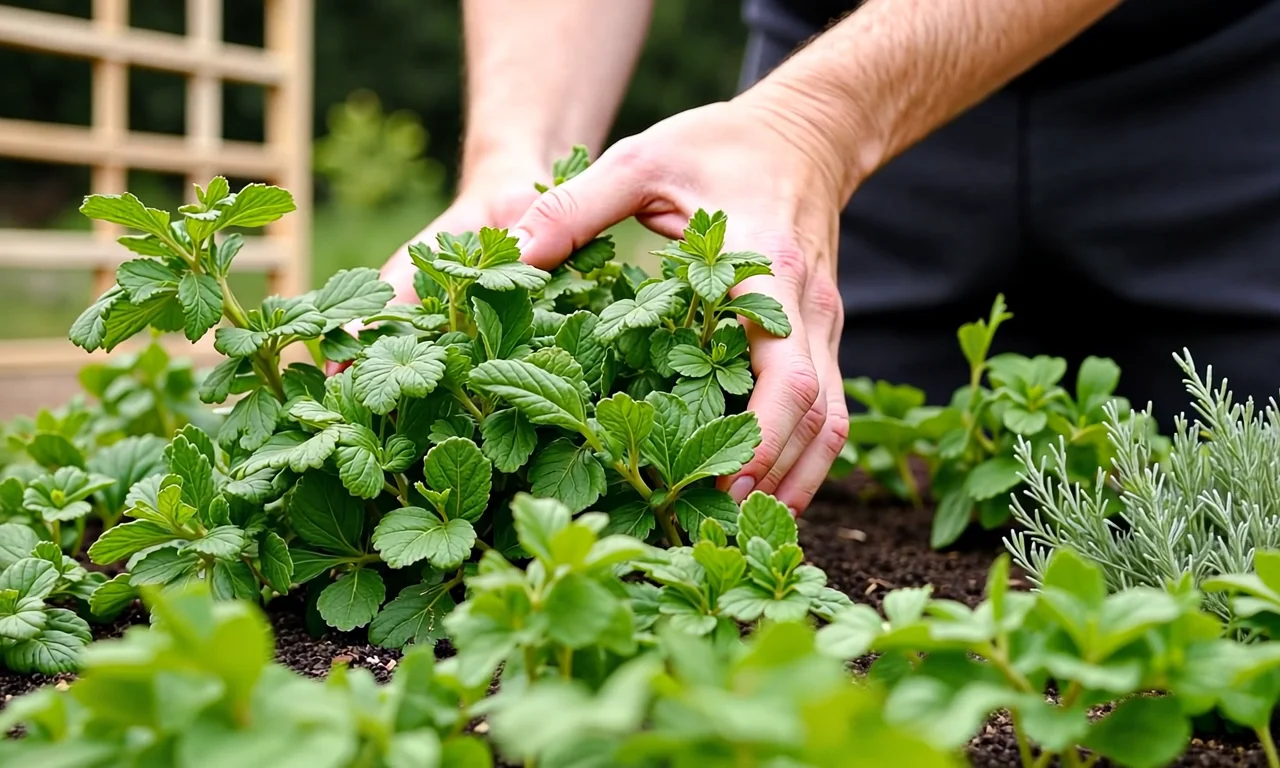
That human presence carries through the work: hands harvesting herbs, people preparing food, someone fixing a bicycle. The architecture becomes a setting for life.
04The production process
The process film follows the route from the written brief to generated images and moving shots. Prompt development starts in GPT‑4o. ComfyUI runs the still-image workflow using Flux, and Runway adds motion and camera direction.
The challenge is to keep the idea legible as it changes medium: from a description of materials and shared spaces to an image, then to a sequence that holds together as a film.
Turn the project’s French descriptions into image prompts focused on materials, setting and the use of space.
Generate still imagery through a connected workflow. The process film identifies Flux.Dev as its image model.
Develop image-to-video shots with camera controls, as shown in the production recording.
The process film couldn’t load. Open it directly or refresh your session.
The original process edit, with its French on-screen labels.
A ChatGPT conversation shows prompt development for the building’s interior. Text on screen identifies GPT‑4o and the generation of detailed prompts.
The recording moves to a ComfyUI node graph, labelled as an image-generation interface based on Flux.Dev. A generated courtyard image is opened and inspected.
Runway’s image-to-video interface follows, with camera controls and generated building views. A progress indicator advances, and a moving shot of solar panels appears. The process film has no spoken narration.
05The work in perspective
EcoPolis brings a written future-housing concept into view. The finished film moves between the scale of a neighbourhood and the details of an ordinary day.
Its value is in that translation: giving a speculative idea places, people and movement, so there is something concrete to look at and discuss.
Project notes